Frontiers of Discovery: How Recent Breakthroughs in Physics, Medicine, and Computing Are Redefining Modern Science
From detecting extreme-energy cosmic ghost particles to unlocking backward bacterial defenses and brain-inspired electronics, a surge of recent discoveries is transforming our understanding of the universe and human biology.
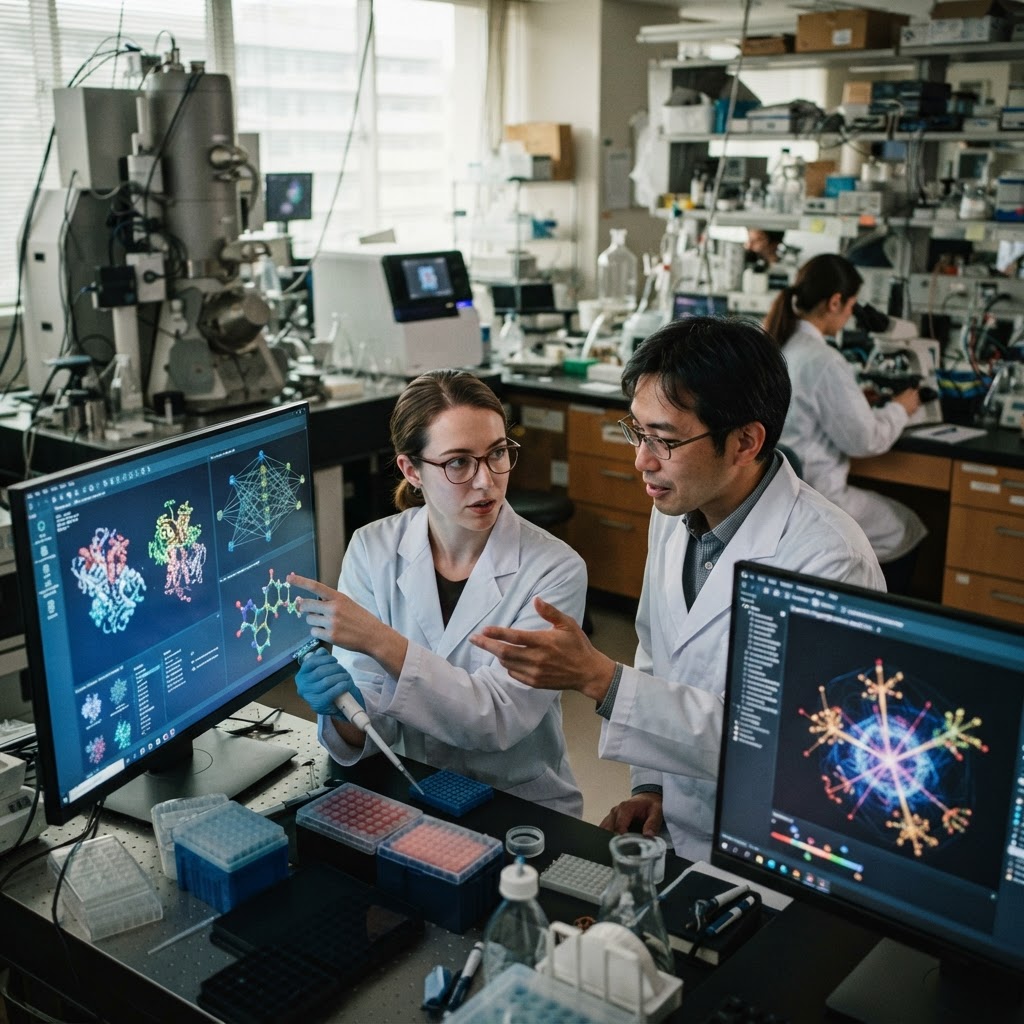
Unveiling Cosmic Secrets and Extreme Physics
In recent days, the physical sciences have witnessed an extraordinary series of milestones that challenge established views of the cosmos. At the South Pole, researchers operating the IceCube Neutrino Observatory announced the detection of ultra-high-energy ghost particles exhibiting energies nearly ten billion times greater than typical solar neutrinos, as detailed in reports from ScienceDaily. These elusive subatomic particles, capable of passing unimpeded through dense planetary matter, provide critical observational windows into the universe's most violent astrophysical phenomena, from supermassive black hole jets to enigmatic deep-space cosmic accelerators.
Simultaneously, fundamental physics on Earth has produced equally astonishing revelations. Physicists analyzing collision data from the Large Hadron Collider at CERN reported fresh evidence indicating that primordial, Big Bang-like quark-gluon plasma states can form in surprisingly small particle collisions—a finding that upends previous assumptions regarding the minimum density and system size required to recreate the early universe's conditions, according to ScienceDaily Breaking News. Coupled with advances in quantum technology, such as novel methods for fault-tolerant magic-state cultivation in quantum processors reported by Google AI News, researchers are progressively clearing computational hurdles that have persisted for over two decades.
Rewriting Biological Dogmas and Medical Frontiers
The life sciences have matched this rapid pace with paradigm-shifting discoveries across cell biology and clinical therapeutics. In a finding that initially baffled researchers, microbiologists identified a bizarre bacterial defense system functioning almost entirely in reverse compared to typical immune mechanisms. Where standard microbial systems strictly contain internal toxins until triggered by a bacteriophage or competitor, this novel mechanism inverts that logic, revealing evolutionary survival strategies that scientists originally presumed were broken or malformed, as reported by ScienceDaily Health & Medicine.
Developments in human medicine and aging have proven equally provocative. Researchers at the University of Southern California documented a therapeutic intervention capable of rejuvenating aging liver cells while simultaneously cutting levels of Alzheimer’s-associated amyloid proteins in half, underscoring the intimate systemic link between hepatic metabolic health and neurodegeneration. In oncology, experimental trials in animal models unexpectedly indicated that certain high-calorie, obesity-linked dietary interventions could paradoxically boost the efficacy of cancer immunotherapies, challenging blanket assumptions about metabolic states and immune cell responsiveness. Furthermore, vision science achieved a fundamental shift as developmental biologists uncovered an unexpected prenatal mechanism involving vitamin A derivatives that guides retinal foveal development long before birth.
Pioneering Materials and Brain-Inspired Electronics
Innovations at the nexus of materials science and applied physics are rapidly laying the groundwork for the next generation of computing and energy efficiency. According to reports in SciTechDaily, engineers have synthesized miniature neuromorphic electronic components capable of processing signals and learning dynamically, effectively mimicking biological neural circuits without incurring the massive power consumption of conventional silicon architectures.
Complementing these neuromorphic advances are breakthroughs in spintronics and magnetism, where physicists have resolved longstanding material barriers to allow magnetic microchips to operate with drastically reduced energy expenditure. Along with innovative structural color coatings that achieve vibrant, car-quality coloration without relying on toxic synthetic pigments, the collective output of modern research over recent days signals an accelerating synthesis between fundamental physics, molecular biology, and sustainable technology.
Recommended for you
Similar to “Science”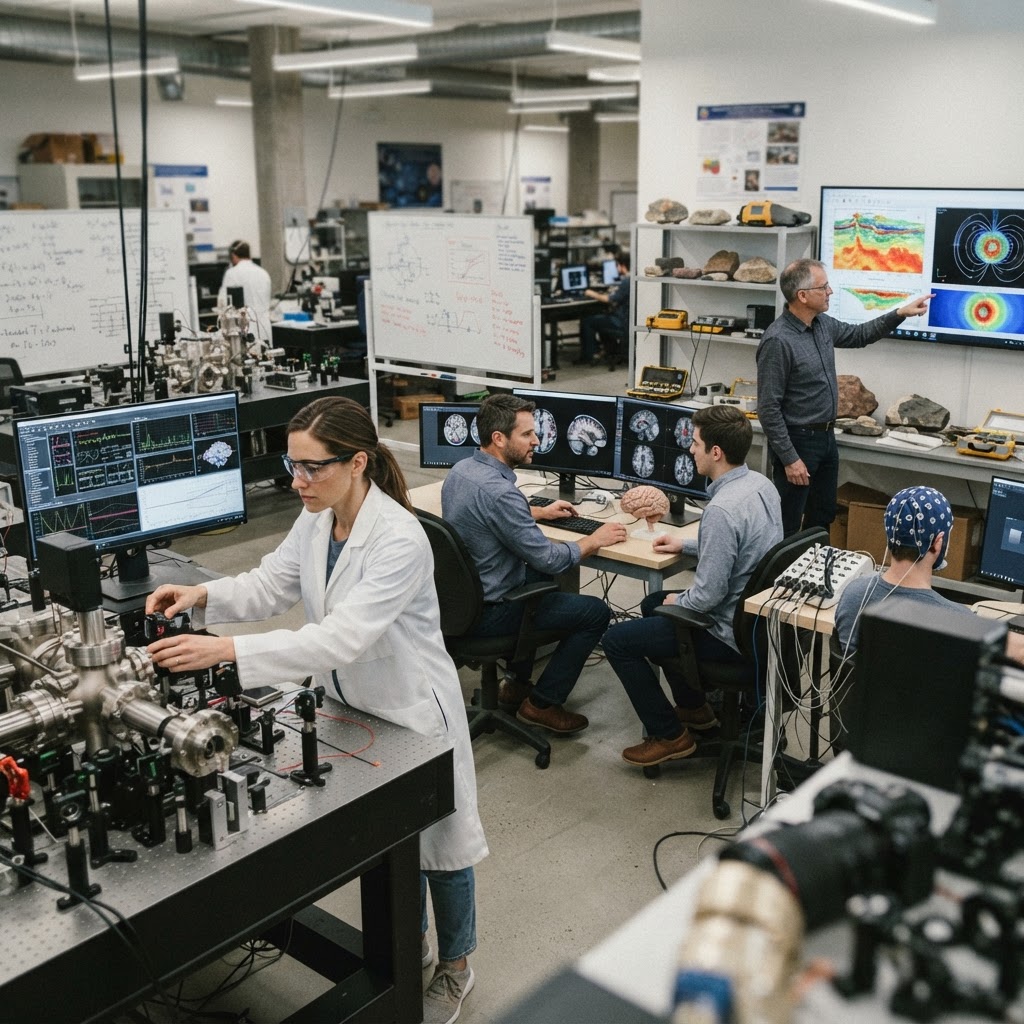
Frontiers of Discovery: How Recent Breakthroughs in Physics, Neuroscience, and Geophysics Are Reshaping Science
From high-energy cosmic ghost particles and non-destructive quantum computing to fluid earthquake faults and brain remapping, recent discoveries are upending decades-old paradigms across multiple disciplines.
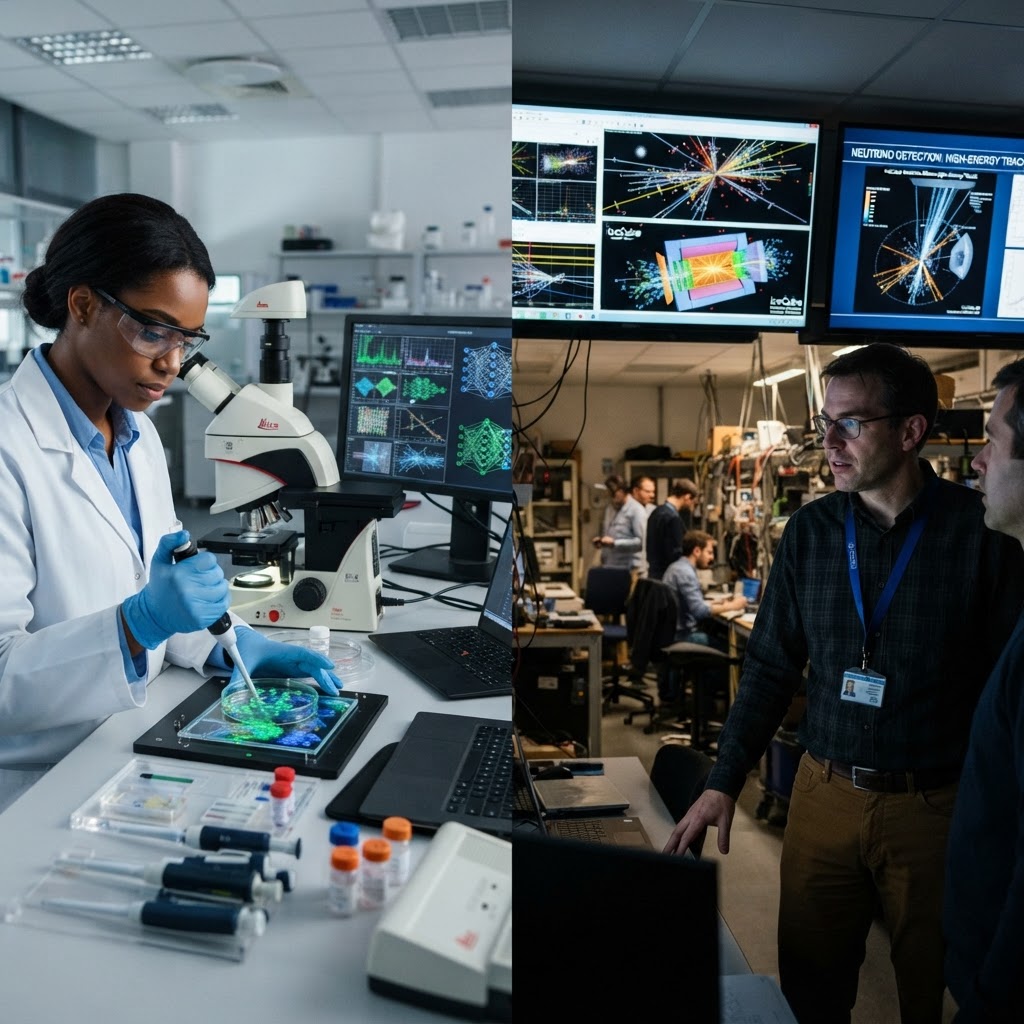
Frontiers of Discovery: From Cellular Computers to Ultra-High-Energy Ghost Particles
Recent breakthroughs spanning biological computing, astroparticle physics, and medical therapeutics demonstrate how researchers are decoding fundamental biological and physical mechanisms to solve modern challenges.
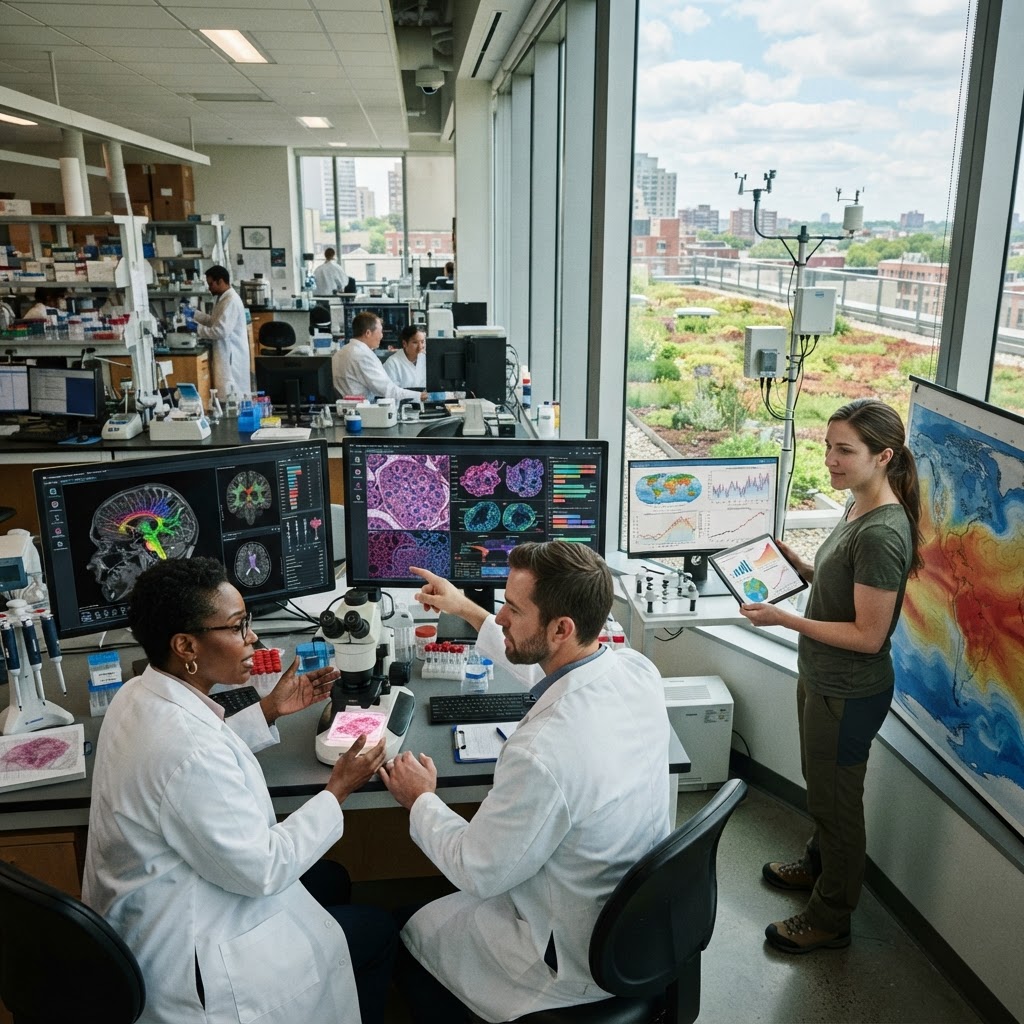
Frontiers of Discovery: How Recent Breakthroughs in Neuroscience, Oncology, and Climate Science Are Redefining Modern Research
Recent discoveries in neurological processing, cancer biology, and environmental monitoring are fundamentally transforming established scientific doctrines and providing critical insights into life, health, and our changing planet.