Global Health at a Critical Crossroads: Outbreak Pressures, Financing Shifts, and Next-Generation Therapies
As infectious outbreaks like Ebola test fragile containment frameworks and prompt renewed calls for a global pandemic treaty, breakthroughs in long-acting therapeutics and precision medicine face growing delivery and financing hurdles.
A Strained Landscape of Global Preparedness
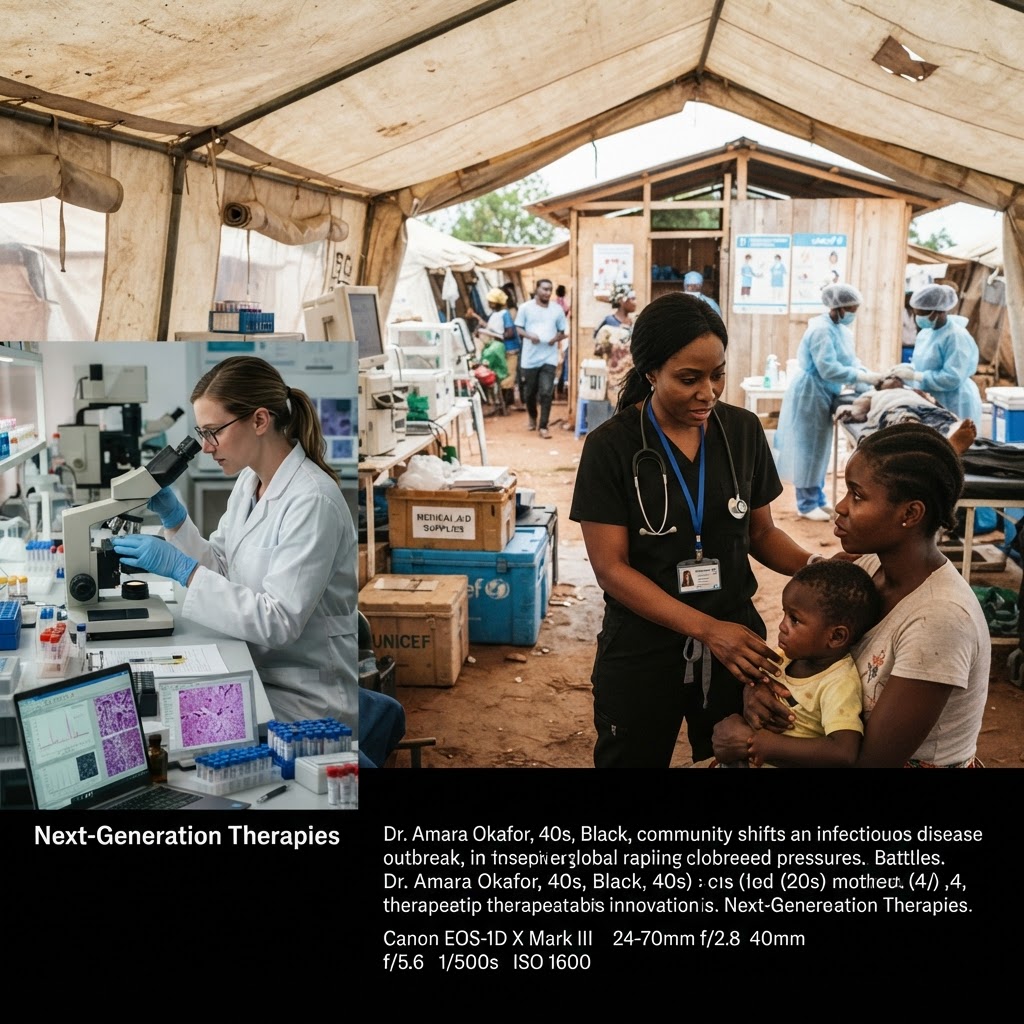
International health authorities are confronting mounting hurdles as localized infectious disease flare-ups collide with shifting diplomatic priorities and tightening external budgets. A severe Ebola outbreak in the Democratic Republic of Congo has reignited debate among public health leaders regarding the fragility of containment infrastructure and the urgent need to finalize a binding international pandemic accord. Officials from the World Health Organization have repeatedly stressed that without formalized cross-border cooperation, responses to high-fatality pathogens remain dangerously fragmented, leaving vulnerable regions susceptible to rapid transmission spikes.
The debate has intensified in light of bilateral public health initiatives that prioritize direct state-to-state agreements over coordinated multilateral compacts. Critics among epidemiologists warn that decentralized negotiations could undermine collective early-warning surveillance and equitable resource sharing. At the same time, national healthcare systems in lower- and middle-income regions are being forced to adapt quickly; data shows dozens of African governments have bolstered domestic health spending to offset contracting foreign aid, signaling a gradual transition toward regional self-reliance even as acute disease burdens persist.
Therapeutic Frontiers and the Delivery Divide
In biomedical science, researchers continue to report promising milestones that could dramatically shift long-term disease management. In HIV prevention, expanded modeling around twice-yearly injectable medications like lenacapavir demonstrates the potential to accelerate epidemic control by more than a decade if access can be scaled to millions in high-burden settings. Concurrently, experimental oncology and metabolic research are exploring novel therapeutic avenues, including artificial-intelligence-driven compound screening for appetite regulation and metabolic control, as well as early-stage therapies engineered to turn tumor microenvironments against malignant cells.
However, the translation of high-tech medical breakthroughs into population-level gains remains constrained by systemic delivery bottlenecks. A stark example exists even within affluent health systems: recent oversight findings in the United States revealed substantial disparities and low treatment rates for curative hepatitis C therapies among Medicaid recipients, where procedural delays and state-level variations leave large shares of diagnosed individuals without timely interventions. This reality underscores an enduring paradox in modern medicine—where transformative curative therapies exist, but bureaucratic hurdles and supply constraints limit their real-world impact.
Reframing Chronic Care and Preventive Policy
Beyond infectious disease control, public health agencies are re-examining metabolic and cardiovascular care models amid a surge of interest in weight-loss drugs and novel interventions. Clinical experts caution against viewing emerging pharmacological solutions as silver bullets, emphasizing that systemic nutrition policy, lifestyle modification, and broad access to basic preventive services remain indispensable. From community-level hypertension initiatives adapting successful international community-care models to broader campaigns tackling widespread micronutrient deficiencies and cardiovascular risks, health systems are discovering that lasting outcomes depend heavily on primary care foundations rather than pharmaceutical fixes alone.
As policymakers navigate tightening budgets and shifting geopolitical priorities, the overarching challenge remains maintaining equitable access. Whether confronting resurgence risks of lethal viruses or democratizing cutting-edge preventive therapies, the resilience of modern public health will hinge on reconciling scientific innovation with inclusive, dependable delivery systems worldwide.
Recommended for you
Similar to “Health”
Global Health at a Crossroads: Groundbreaking Medical Advances Confront Resurgent Pathogens and Funding Crunches
While modern medicine witnesses breakthroughs in metabolic therapies and neurodegenerative diagnostics, global health bodies warn of escalating outbreaks and critical financing shortfalls.
Frontlines and Frontiers: Global Health Navigates Outbreak Surges and Next-Generation Therapies
International health bodies are confronting alarming escalations in infectious disease outbreaks while clinical medicine reaches major milestones in synthetic biology, cancer detection, and metabolic care.
Global Health at a Crossroads: Resurgent Outbreaks, Climate Emergencies, and Precision Therapies
International health bodies are responding to an unprecedented regional Ebola crisis and compounding climate hazards, even as breakthroughs in personalized genetic medicine and metabolic therapies offer fresh hope.