Diplomacy Amid Crossfire: Maritime Peril in Hormuz and Political Shifts Reshape Global Affairs
Escalating maritime confrontations in the Persian Gulf and political realignments from Washington to Jerusalem coincide with tentative peace overtures aimed at Ukraine.
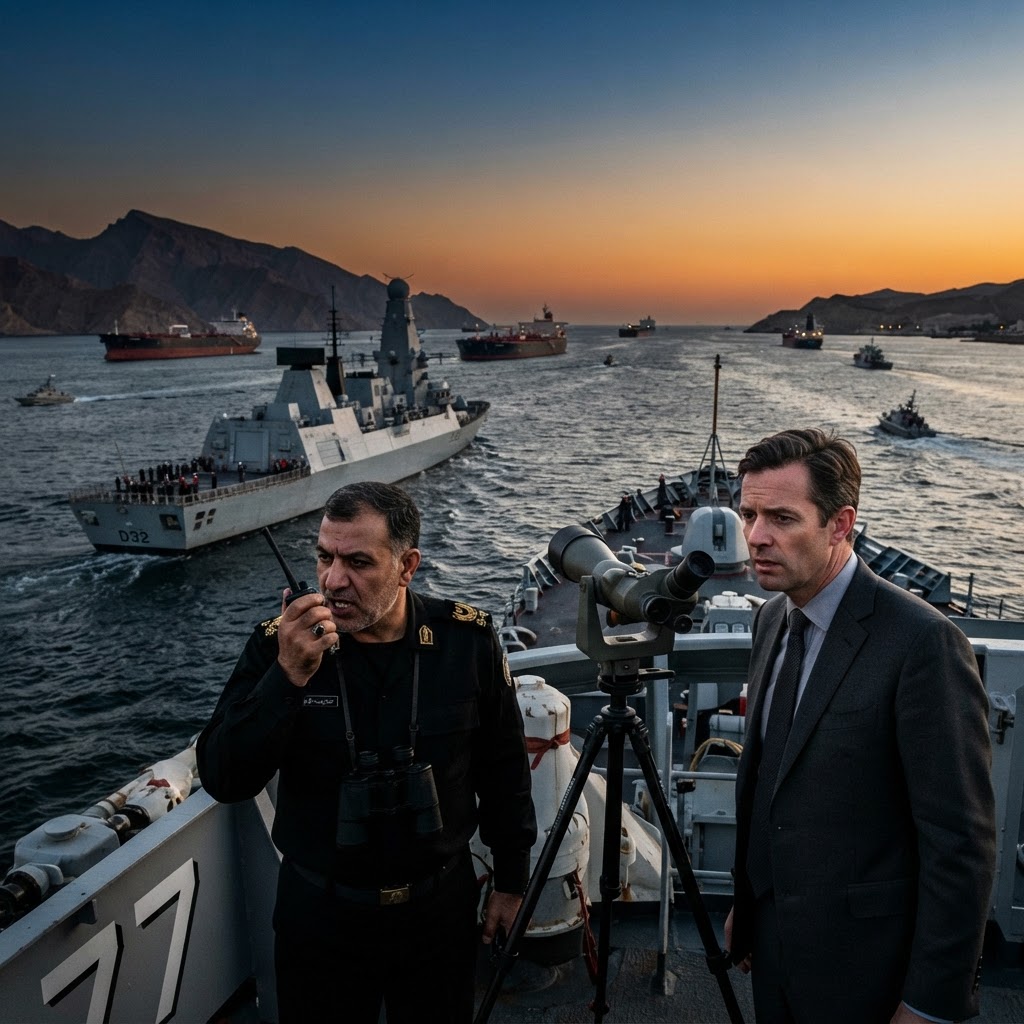
Turbulence in the Persian Gulf and Escalating Energy Risks
International stability has faced intense strains over recent days as critical maritime corridors experience severe disruption amid direct confrontations between the United States and Iran. Shipping routes through the Strait of Hormuz—vital channels responsible for roughly one-fifth of global crude petroleum flows—have seen commercial vessels damaged by naval mines and projectile attacks, prompting elevated alerts from maritime authorities as detailed in US News Desk. While backchannel negotiations facilitated by regional mediators such as Qatar seek to de-escalate tensions, hardline positions regarding nuclear materials and retaliatory strikes continue to heighten friction across global commodity markets, as highlighted by 10 Things Global News.
Domestic Reverberations Across Key Capitals
The geopolitical shockwaves of prolonged conflict have swiftly intersected with domestic governance across major powers. In the United States, midterm elections delivered a decisive rebuke to the incumbent administration, with voters citing surging energy costs and military commitments as major factors behind substantial congressional losses noted by Oneindia International News and Euronews. Meanwhile, in Israel, electoral authorities affirmed the legitimacy of contested vote tallies according to FDD Overnight Brief, plunging the Knesset into protracted coalition negotiations as opposition figures mobilize cross-factional endorsements, leaving Prime Minister Benjamin Netanyahu’s political standing in uncertainty, per 10 Things Global News.
A Fractured Road Toward Ceasefire in Eastern Europe
Concurrently, Eastern Europe remains caught between intense military engagement and high-stakes diplomatic maneuvering. Russian strikes targeting logistical points and infrastructure in southeastern Ukraine have inflicted significant casualties, while Ukrainian unmanned aerial units have pushed deep into Russian industrial centers to disrupt refining capacities, according to reports from The Brief and FDD Overnight Brief. Despite continued clashes along the front lines, European and Gulf mediators are preparing for multilateral talks in Abu Dhabi, where delegates from Washington, Kyiv, and Moscow aim to explore frameworks for a durable truce.
Navigating an Unstable Multilateral Landscape
The convergence of naval insecurity, sovereign electoral upheaval, and fragile peace talks reflects an increasingly multipolar order where local military friction quickly triggers international financial and strategic consequences. With global stock exchanges reacting to supply disruptions and shifting governance, foreign ministries worldwide face the challenge of containing maritime flashpoints while pursuing delicate diplomatic openings.
Recommended for you
Similar to “World Affairs”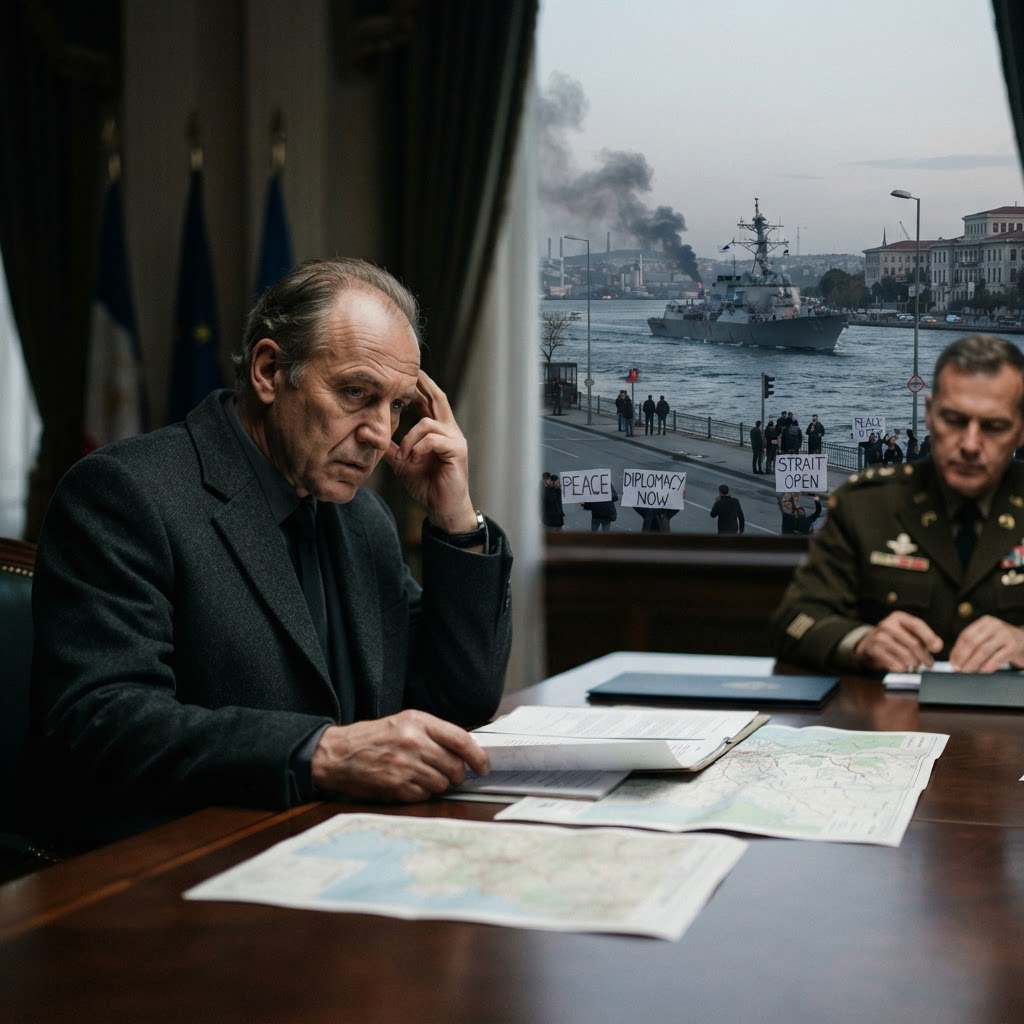
Fragile Fronts and Choked Straits: Global Diplomacy Tested Amid Escalating Regional Crises
Strained shipping routes in the Persian Gulf, mounting friction over climate finance at COP31, and incremental humanitarian breakthroughs in Ukraine highlight a fractured international order navigating concurrent geopolitical shocks.
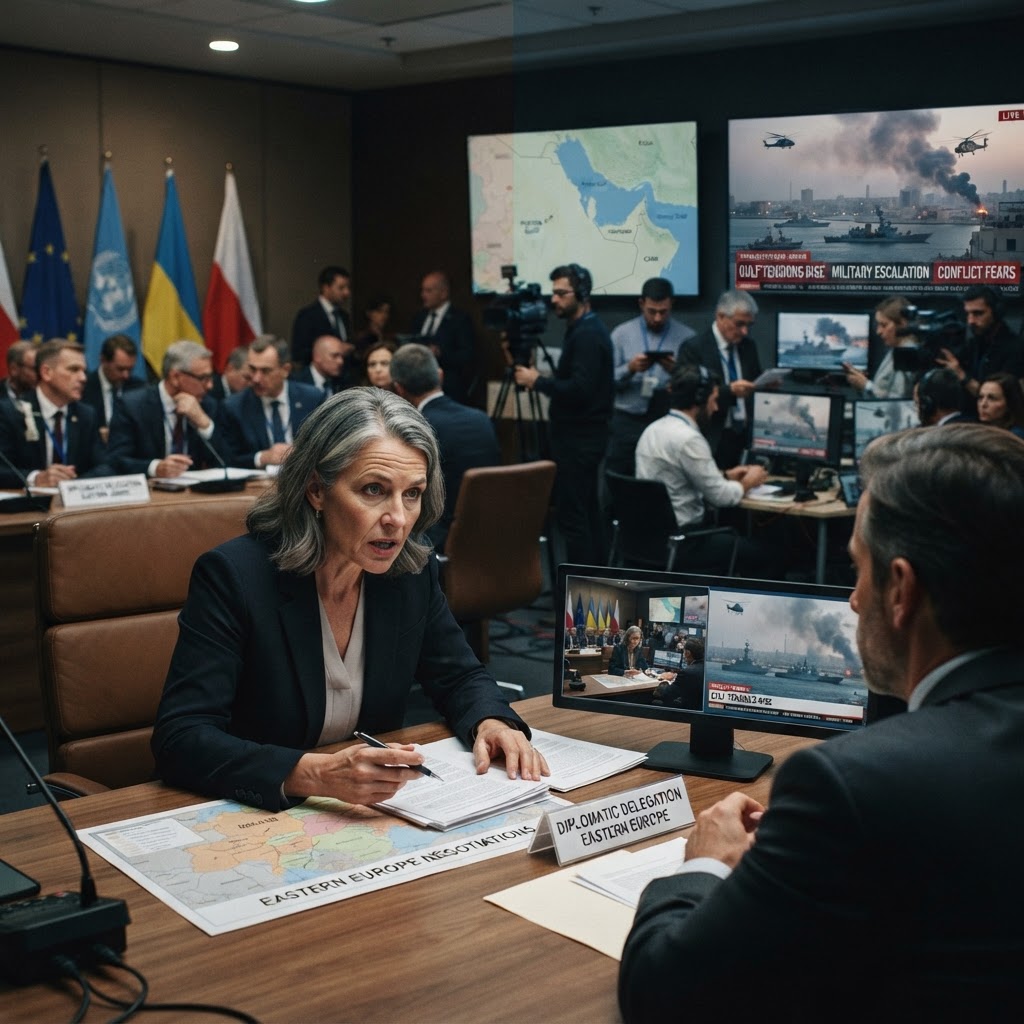
Fragile Peace Diplomacy in Eastern Europe Collides with Rising Escalation in the Gulf
While high-stakes diplomatic negotiations over the war in Ukraine face deadlock over territorial sovereignty, escalating maritime clashes and strategic strikes across the Persian Gulf threaten to spark a broader regional conflict.
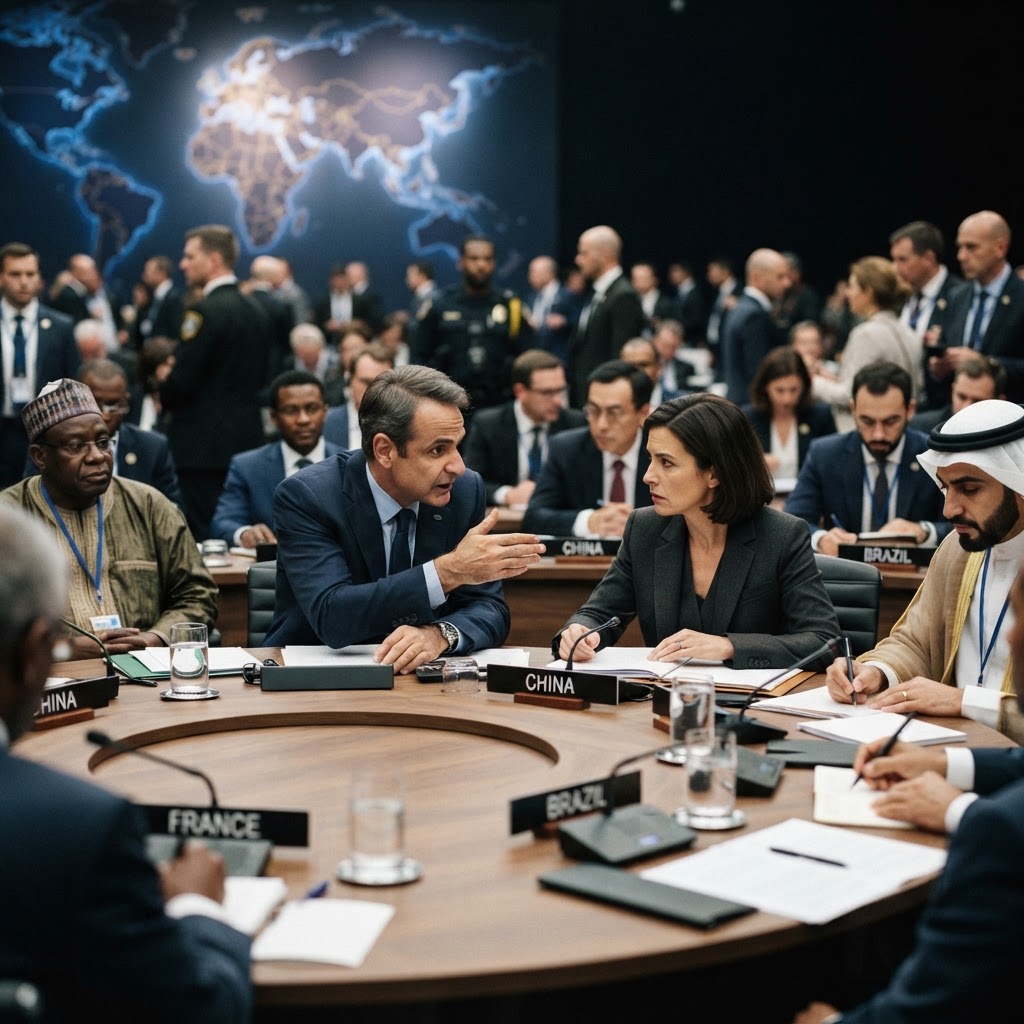
Diplomacy Amid Fracture: Shifting Coalitions and Tense Negotiations Redraw the Geopolitical Map
From historic political realignments in Israel and exploratory peace discussions for Ukraine to escalating friction across the Middle East, international affairs are navigating a perilous and fast-moving transitional phase.