A Confluence of Cracks: Global Opinion Weighs Political Backlash and Economic Fragility
Recent commentary across leading global publications reflects a world reassessing political overreach and speculative economic exuberance, marked by historic electoral shifts and growing skepticism over the artificial intelligence boom.
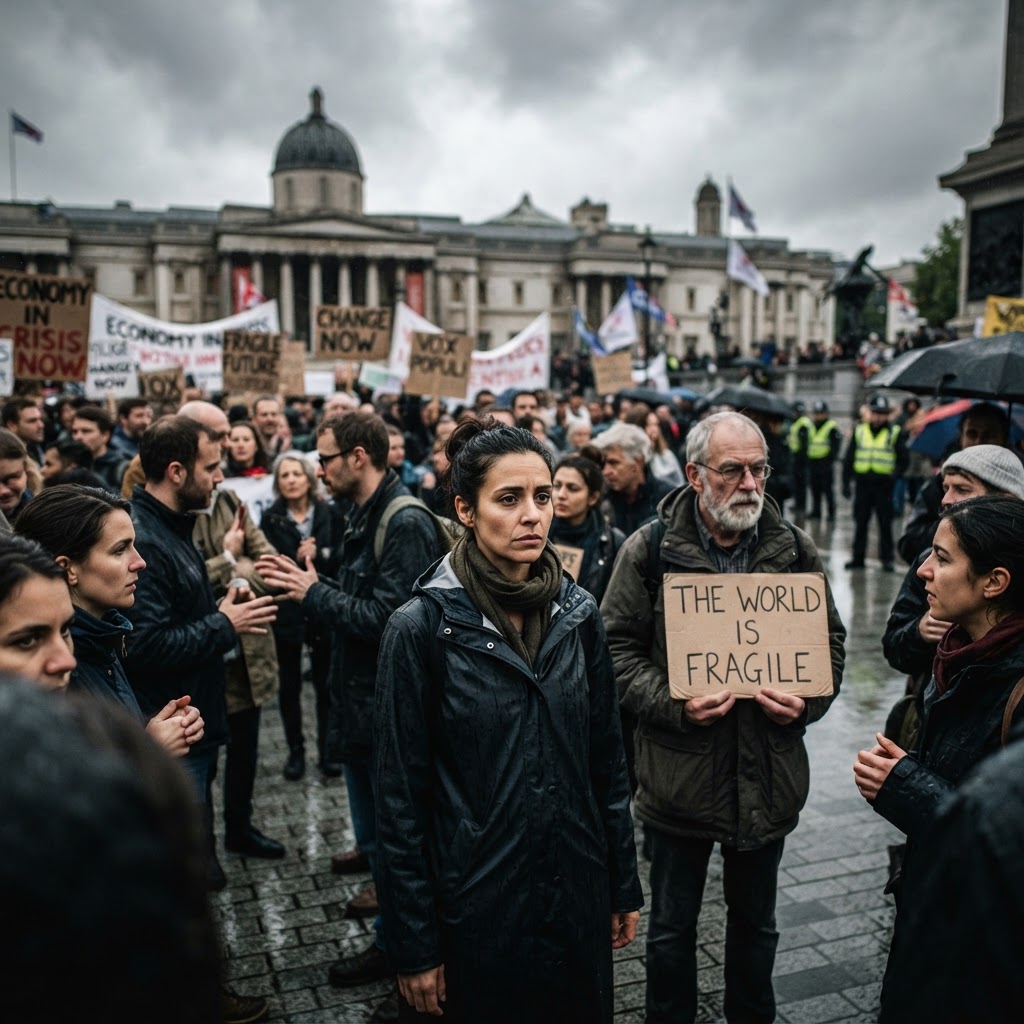
The Shifting Tides of Global Politics
In the aftermath of recent electoral reckonings, editorial desks worldwide have turned their focus toward the vulnerabilities of populist governance and political realignment. Prominent commentators across the ideological spectrum are interpreting the recent electoral outcomes as far more than standard midterm corrections. As observed by political analysts in Rasmussen Reports, the scale of recent congressional shifts bears the hallmarks of a profound structural realigning, with the presidential party sustaining losses that outstrip typical historical trends. International commentators, such as Jonathan Freedland writing for The Guardian, have framed the results as an unequivocal repudiation of aggressive nationalist populism, pointing to popular-vote swings that recall major watershed moments like the post-Watergate backlash of the 1970s.
However, this collective sigh of relief from liberal observers is tempered by caution. Opinion columnists emphasize that while a single administration or movement may face a crushing electoral setback, the foundational grievances that fuel right-wing populism—economic displacement, institutional distrust, and cultural polarization—remain deeply entrenched across democracies. Across the Atlantic and beyond, editorial boards are asking whether traditional democratic parties have secured an enduring mandate or merely purchased a temporary reprieve against an authoritarian current that refuses to disappear.
Global Repercussions and Shifting Alliances
The domestic political shakeup in Washington has prompted a wave of international reflection on foreign policy continuity and global security. Editorial perspectives spanning from West Africa to East Asia illustrate how distant democracies interpret American vulnerability. In regional analyses published by Leadership News, commentators highlight the intersection between Middle Eastern geopolitical tension—ranging from flashpoints like the Strait of Hormuz—and the domestic costs borne by incumbent leaders facing energy and economic pressure at home.
Simultaneously, Asian and Eurasian editorial voices are grappling with the reality of an increasingly fragmented, multipolar international order. In reflections shared through the Asia News Network, veteran diplomatic observers such as Maleeha Lodhi argue that the erosion of multilateral rulebooks has ushered in a 'might-is-right' paradigm, leaving mid-sized and non-aligned nations to navigate conflicts without traditional American arbitration. The perception of Washington as a distracted or newly lame-duck power is encouraging middle powers across Eurasia and the Global South to forge regional trade routes, strengthen non-Western alliances, and construct economic corridors that operate independently of Western leadership cycles.
The Cracks in the Artificial Intelligence Economy
Beyond the corridors of political power, the world of economic commentary is seized by anxieties regarding market overvaluation and technological speculation. A notable guest essay in The New York Times captured growing unease after steep declines in technology equities, specifically questioning whether the aggressive multi-year run-up in artificial intelligence companies is showing signs of a dot-com-style exhaustion. With tech-heavy indexes experiencing rapid pullbacks and major infrastructure suppliers wavering under the weight of astronomical capital expenditure, financial essayists are moving past initial hype to examine the tangible macroeconomic fallout of a cooling sector.
The central debate among economic columnists now revolves around spillover effects. Unlike past speculative cycles that remained largely quarantined within software startups, today’s artificial intelligence investments are deeply intertwined with core industrial infrastructure, energy grids, semiconductor manufacturing, and public pension portfolios. If private demand fails to materialize fast enough to monetize these massive data centers and hardware outlays, the damage could extend far beyond Silicon Valley balance sheets, potentially dragging down broader consumer sentiment, hiring, and capital markets at a moment when central banks are already navigating tricky disinflation pathways.
A World at an Inflection Point
Synthesizing these varied commentary threads reveals a distinct pattern: the world is simultaneously confronting the limitations of charismatic political strongmen and the sobering realities of technological exuberance. For years, financial markets relied on tech optimism to mask sluggish global productivity, while voters alternated between populist disruptors and conventional technocrats in search of stability. Now, the editorial consensus suggests that both narratives are encountering hard ceilings.
Whether in Washington’s halls of governance, the volatile equity exchanges of New York, or developing capitals reassessing their energy sovereignty and institutional autonomy, opinion writers are arriving at a shared realization. Rebuilding durable democratic norms and sustainable economies requires moving past simplistic slogans and speculative manias, focusing instead on resilient governance, equitable growth, and practical accountability before the next shock arrives.
Recommended for you
Similar to “Global Opinion”
The Global Rethink: How Geopolitical Fractures and Artificial Intelligence Are Reshaping Opinion Columns
Recent commentary across leading global publications reflects a world reassessing core assumptions, from shifting balance-of-power dynamics in Europe and Asia to the compounding anxieties surrounding artificial intelligence and democratic resilience.

A Fractured Consensus: How Opinion Pages Worldwide Are Reckoning with a Shifting Global Order
Recent commentary across leading global publications reflects mounting anxiety over macroeconomic instability, shifting geopolitical alliances, and the disruptive emergence of artificial intelligence.
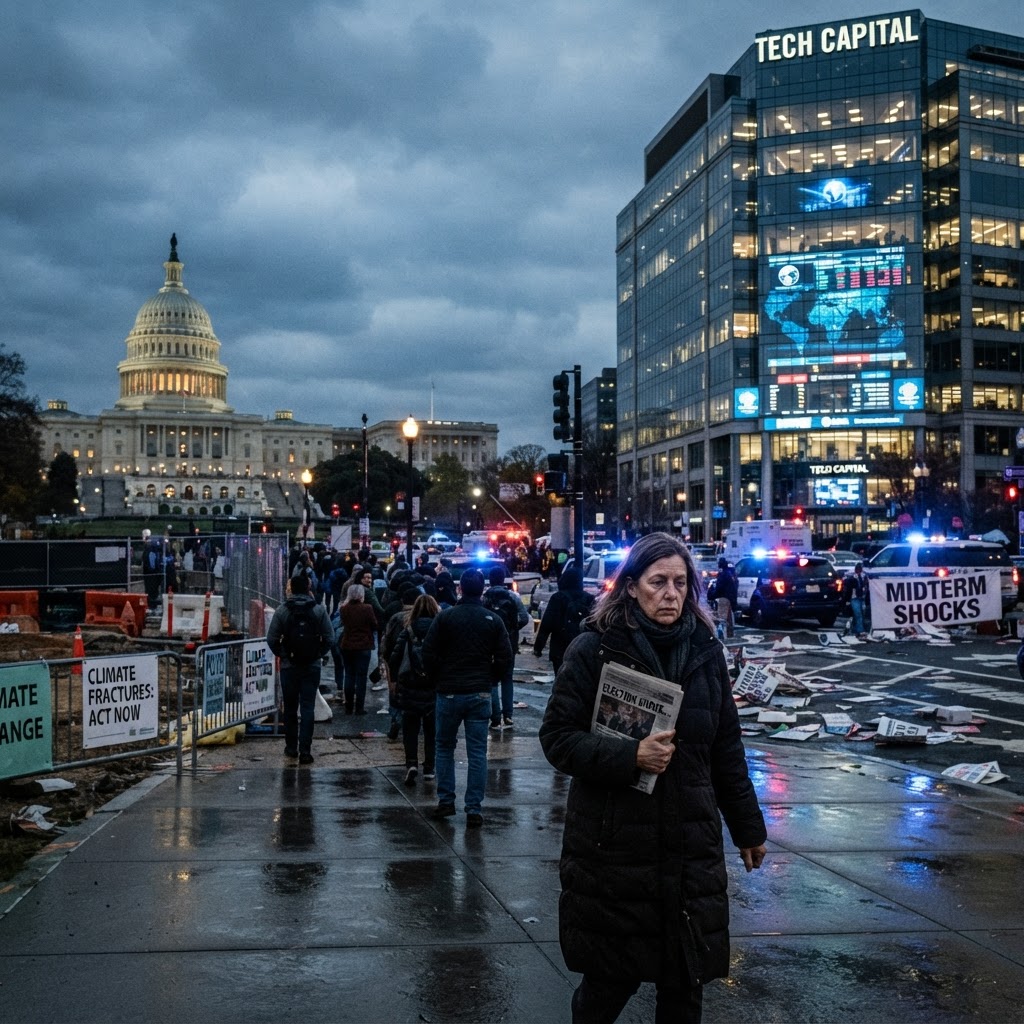
A World in Recalibration: Midterm Shocks, Climate Fractures, and the Perils of Tech Capital
Recent commentary across global opinion pages reveals an international order in deep transition, as U.S. midterm reverberations, new climate diplomacy fractures, and the financial toll of the artificial intelligence boom redefine global stability.