Global Health at a Crossroads: Resurgent Pathogens Meet Next-Generation Biotechnology
As public health systems confront widening outbreaks of Ebola, cholera, and preventable pediatric infections, clinical laboratories are answering back with targeted bioengineering and in vivo immunotherapies.
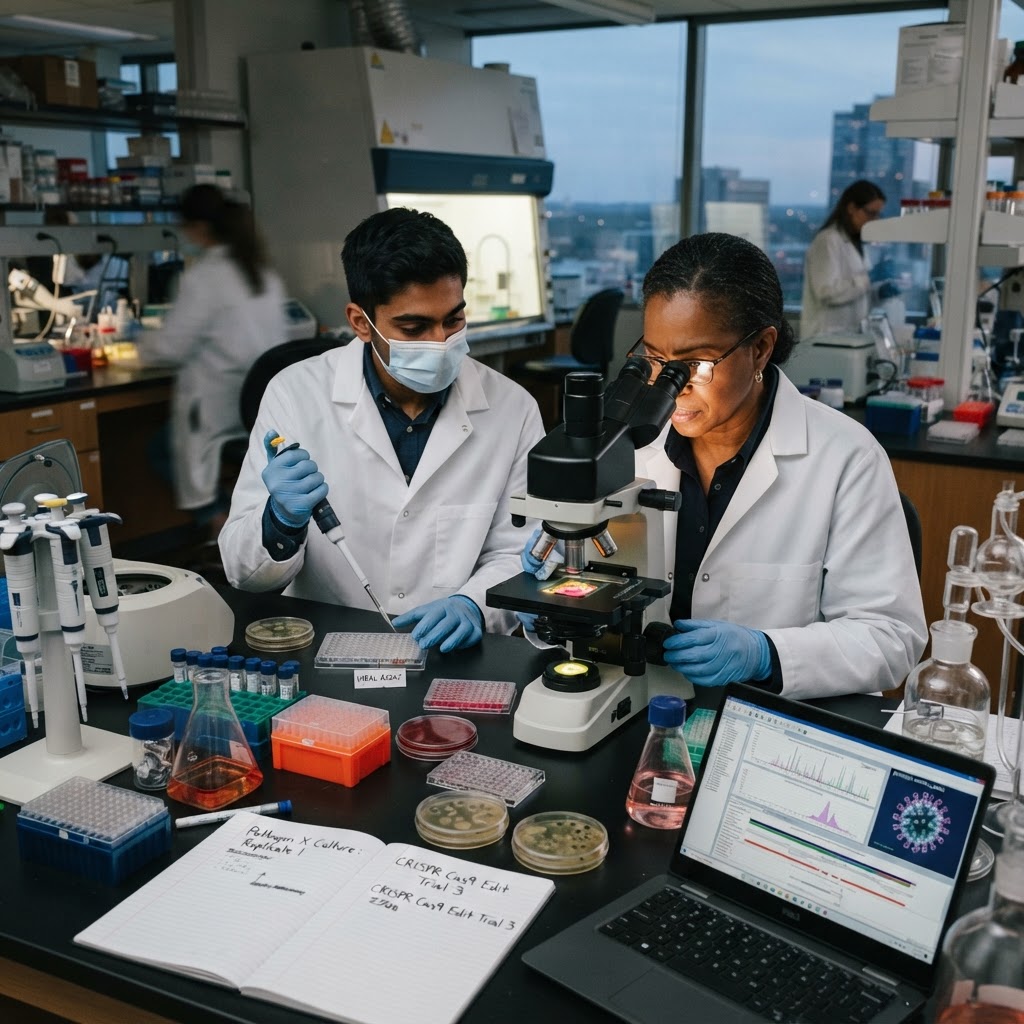
A World Battling Dual Fronts
The global public health arena is entering a period defined by stark paradoxes. While structural health systems in multiple regions buckle under the strain of resurgent, deadly pathogens, medical researchers are reporting historic advances in precision oncology, metabolic therapies, and cellular reprogramming. Between urgent containment operations in sub-Saharan Africa and high-tech biotechnology laboratories across North America and Europe, the race to preserve human health has rarely looked both so vulnerable and so radically inventive.
The Intensifying Scramble Against Acute Epidemics
On the epidemiological front, international health monitors are raising alarms over infectious diseases that continue to breach established containment frameworks. In Central Africa, health workers face one of the most severe public health crises in recent memory. A major Ebola outbreak centered in the Democratic Republic of the Congo has placed frontline communities under extraordinary pressure, as noted by observers tracking the world's perilous Ebola complacency. Unlike past flare-ups driven predominantly by the well-characterized Zaire strain, this wave involves the rarer Bundibugyo virus, against which no fully licensed commercial vaccine exists.
In response to this vulnerability, non-governmental and research alliances such as Médecins Sans Frontières and Epicentre have mobilized emergency trial protocols, as documented in the MSF Global Health Review. A milestone trial recently administered its first experimental doses in the Democratic Republic of the Congo, testing a specialized candidate aimed at conferring immunity against the Bundibugyo variant. Global health leaders argue that these trials underscore why international binding pandemic treaties and equitable vaccine distribution frameworks remain vital safeguards rather than administrative afterthoughts.
Ebola is not the sole epidemic challenging international authorities. Waterborne and environmental bacterial infections are also demonstrating worrying volatility. According to surveillance reports from the World Health Organization, annual cholera-related fatalities climbed significantly even as aggregate case counts oscillated. The surge in severe outcomes has been tied to systemic lapses in clean water, basic sanitation, and localized healthcare infrastructure in conflict-affected and climate-vulnerable zones. Although international emergency groups managed to double global production of oral cholera vaccines, the high case fatality rates seen across more than a dozen countries highlight that manufacturing gains cannot completely compensate for fragile primary care delivery.
Preventable Illnesses Surge in Developed Nations
The erosion of baseline public health defenses is not confined to low-resource settings. In parts of the developed world, basic pediatric immunization and preventative care regimens are facing significant friction. Public health agencies in the United States, as detailed in recent reporting by ABC News, are currently monitoring an expansive spike in confirmed measles infections, alongside an alarming rise in parental refusals of routine neonatal preventative treatments, such as standard newborn vitamin K prophylaxis.
Epidemiologists warn that vaccine hesitancy and the fraying of public trust risk reversing decades of progress against childhood mortality and preventable disability. When herd immunity thresholds collapse, even high-income nations find their emergency departments and intensive care beds burdened by conditions that modern medicine solved generations ago. Public health officials emphasize that clear, evidence-based science communication must be revitalized to rebuild confidence among caregivers.
Breakthrough Frontiers in Bioengineering and Therapeutics
While preventative infrastructure grapples with organizational and social strain, fundamental medical science is charting historic progress against complex chronic illnesses. Recent releases collected by ScienceDaily show rapid progress across several fields of bioengineering and cellular oncology. Chief among these developments are novel cellular reprogrammers designed to modify the body's native defenses without requiring invasive external cell harvesting.
Bioengineers have unveiled nanoparticle platforms capable of instructing immune cells directly inside the living organism, reprogramming them in situ to identify and eradicate malignant tumors while sparing adjacent healthy tissue. Parallel efforts have yielded targeted treatments that remain inert within systemic circulation, deploying their cytotoxic payloads only upon crossing into localized tumor microenvironments, such as aggressive glioblastoma networks in the brain.
Innovation is similarly reshaping metabolic management. With chronic lifestyle and endocrine disorders mounting worldwide, researchers have designed bioelectronic implants that can stimulate natural glucose-lowering mechanisms without relying on daily synthetic insulin injections. Simultaneously, regenerative dentistry has advanced closer to reality with trials of mineral-activating peptide hydrogels that reconstruct natural tooth enamel by binding salivary ions—surpassing the limitations of traditional synthetic fillings.
Bridging Innovation and Public Health Reality
The stark divide between modern molecular engineering and basic epidemiological resilience presents the central policy challenge of the coming decade. Groundbreaking gene-editing platforms and smart immunotherapies offer unprecedented potential to eradicate chronic suffering, yet millions of individuals remain vulnerable to preventable diarrheal illnesses, endemic fevers, and neglected tropical diseases.
Closing this gap requires public health bodies, academic institutions, and international financiers to view health delivery not as two separate tiers—advanced medicine for wealthy markets and basic triage for low-income settings—but as an integrated continuum. Ensuring that the logistics networks delivering oral rehydration and childhood vaccines are as robust and well-funded as the pipelines developing in vivo cellular therapies will ultimately dictate whether the future of medicine saves populations universally or merely deepens existing global inequalities.
Recommended for you
Similar to “Health”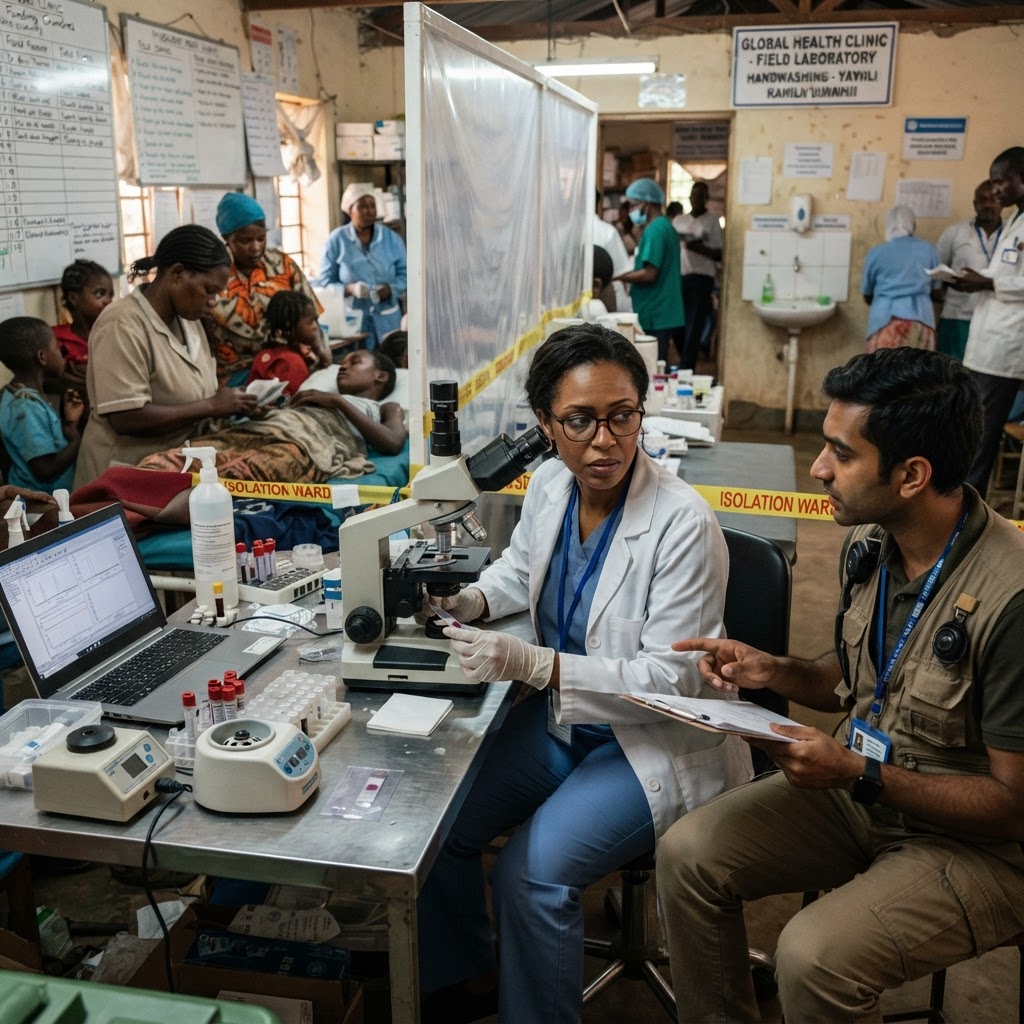
Global Health at a Crossroads: Groundbreaking Medical Advances Confront Resurgent Pathogens and Funding Crunches
While modern medicine witnesses breakthroughs in metabolic therapies and neurodegenerative diagnostics, global health bodies warn of escalating outbreaks and critical financing shortfalls.
Global Health at a Critical Crossroads: Outbreak Pressures, Financing Shifts, and Next-Generation Therapies
As infectious outbreaks like Ebola test fragile containment frameworks and prompt renewed calls for a global pandemic treaty, breakthroughs in long-acting therapeutics and precision medicine face growing delivery and financing hurdles.
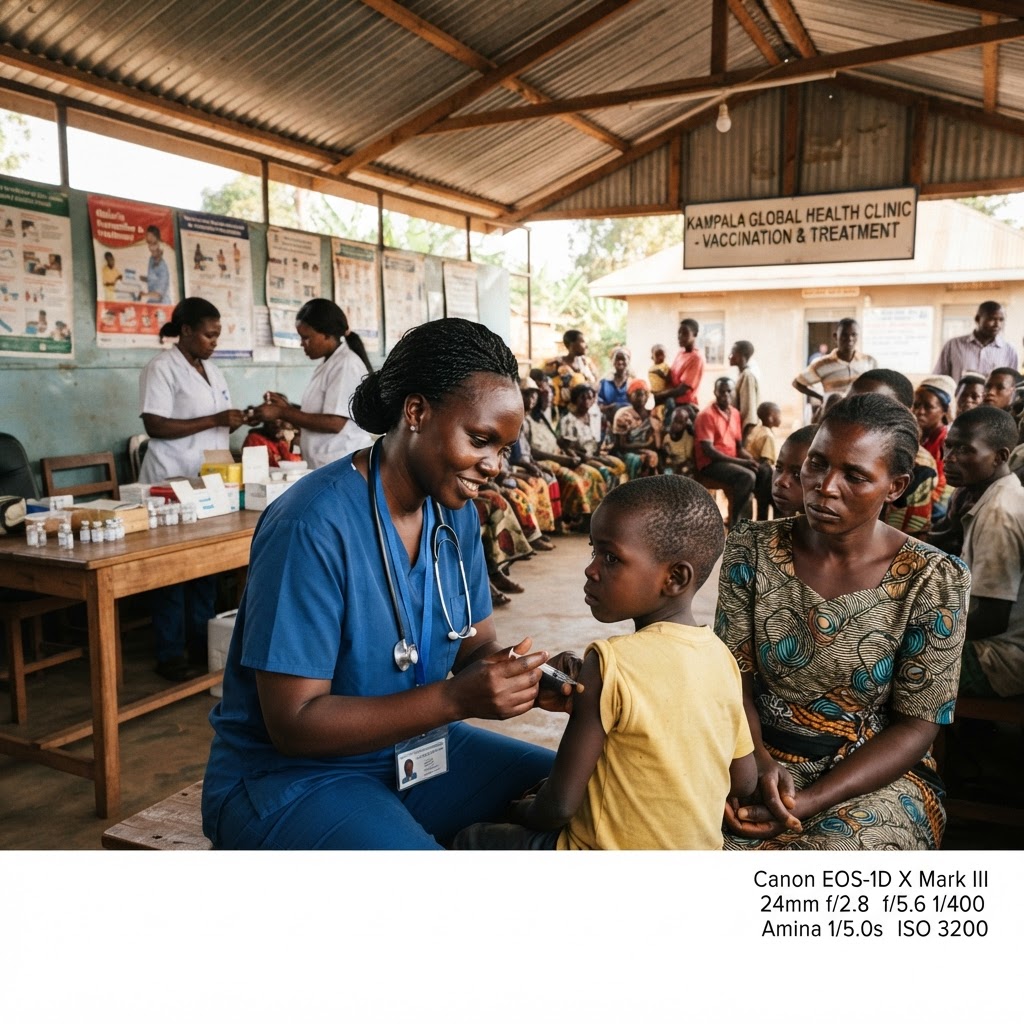
Global Health at a Crossroads: Breakthrough Therapies Emerge Amid Resurgent Epidemics and Prevention Challenges
While groundbreaking pharmaceutical pipelines and gene therapies reshape chronic disease management, public health systems grapple with resurging infectious outbreaks and routine preventive care gaps.