A Fragile Planet at the Precipice: Climate Overshoot Looms as Polar and Biodiversity Pressures Mount
As global temperatures approach critical thresholds ahead of international climate negotiations, nations grapple with governance challenges ranging from contested polar protections to biodiversity shortfalls.
The 1.5°C Boundary on the Line
International environmental policy stands at a pivotal juncture as scientific warnings intersect with high-stakes diplomacy. According to assessments previewing the upcoming United Nations Climate Change Conference (COP31) in Antalya, Türkiye, international envoys must confront a stark reality: human-induced warming is pushing planetary boundaries to the edge, making a temporary overshoot of the 1.5°C threshold established by the Paris Agreement increasingly unavoidable. Scientists and United Nations Environment Programme (UNEP) analysts have warned that while some policy advancements have moderated long-term projections, current trajectories still risk triggering irreversible climate tipping points if rapid mitigation measures are not enacted.
Negotiations in Antalya will test whether governments can translate decade-old climate commitments into concrete industrial, financial, and regulatory practices. Key priorities include advancing preparations for the Second Global Stocktake and formalizing pathways to accelerate global electrification while halting deforestation. Meanwhile, international observers have raised concerns over gaps in carbon trading integrity and the slow pace of fossil fuel phase-outs, compounding the difficulty of returning mean temperatures below critical baselines.
Polar Frontiers and Fragile Marine Havens
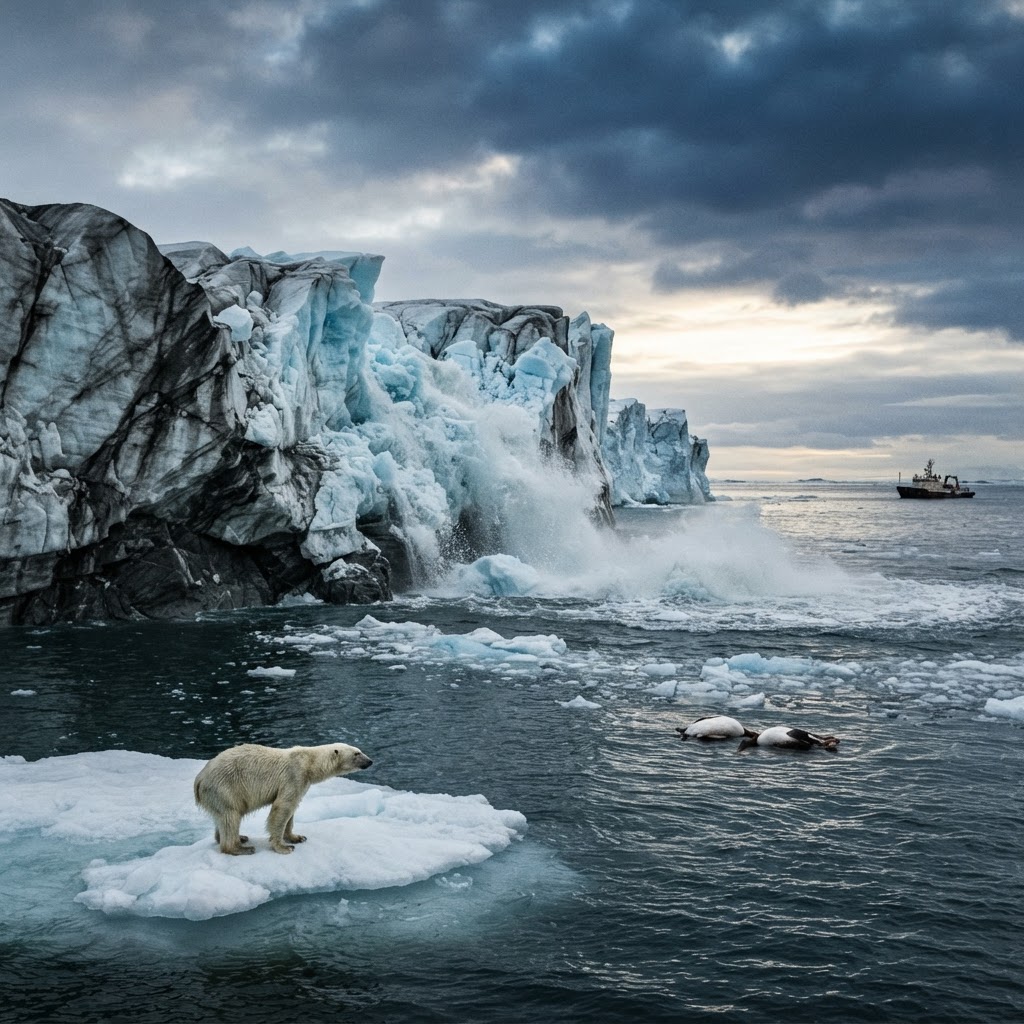
The strain on the global commons is nowhere more visible than at Earth's poles. In recent days, the governance of the Antarctic continent has entered sharper geopolitical focus. Beijing adopted landmark domestic legislation aimed at regulating Chinese exploration activities and scientific presence across Antarctica while formalizing environmental protection standards for polar missions. This move comes as major global powers expand their strategic and research footprints across polar zones to study and access polar marine resources.
Simultaneously, international multilateral diplomacy in the southern hemisphere has hit major roadblocks. Conservation groups and ecological observers reported a disappointing lack of consensus at recent talks concerning Antarctic marine protected areas, particularly around crucial restrictions on krill fishing. The deadlock threatens foundational food webs that sustain penguins, whales, and seal populations, highlighting the widening friction between commercial resource extraction and conservation mandates in fragile polar ecosystems.
Financing Shortfalls and Grassroots Biodiversity Battles
The struggle to protect delicate ecosystems extends far beyond the polar ice caps. At recent global biodiversity discussions, developing regions—most notably African nations—faced acute funding shortfalls in their efforts to implement the '30x30' framework, which seeks to protect 30 percent of terrestrial and marine habitats by 2030. Although local initiatives, such as community-governed marine protected zones around East Africa, illustrate the efficacy of grassroots conservation, delegates emphasized that the lack of international financial support continues to imperil large-scale biodiversity goals.
Legal and regulatory battles are also intensifying on national and regional fronts. In Latin America, enforcement agencies have had to confront illicit mining and agricultural encroachment on Indigenous lands, including instances of hazardous cyanide contamination from unregulated wildcat mines. In North America, the environmental debate is increasingly shifting to state and subnational arenas, where regulators are grappling with the soaring water and energy consumption of high-tech data infrastructure, prompting governors and local officials to draft stringent utility guidelines and carbon compliance mechanisms.
A Fractured Path Forward
Whether navigating complex geopolitical tensions in polar research, securing finance for vulnerable biomes, or managing the clean energy transition, environmental policy is entering an era defined by hard limits. As diplomats assemble in Antalya to deliberate on overshoot pathways and financial architecture, the convergence of polar exploitation, biodiversity gaps, and escalating greenhouse gas concentrations underscores that the margin for incremental compromise has vanished. The collective task facing governments is no longer merely to set aspirational targets, but to safeguard the ecological life-support systems of a rapidly transforming world.
Recommended for you
Similar to “Environment”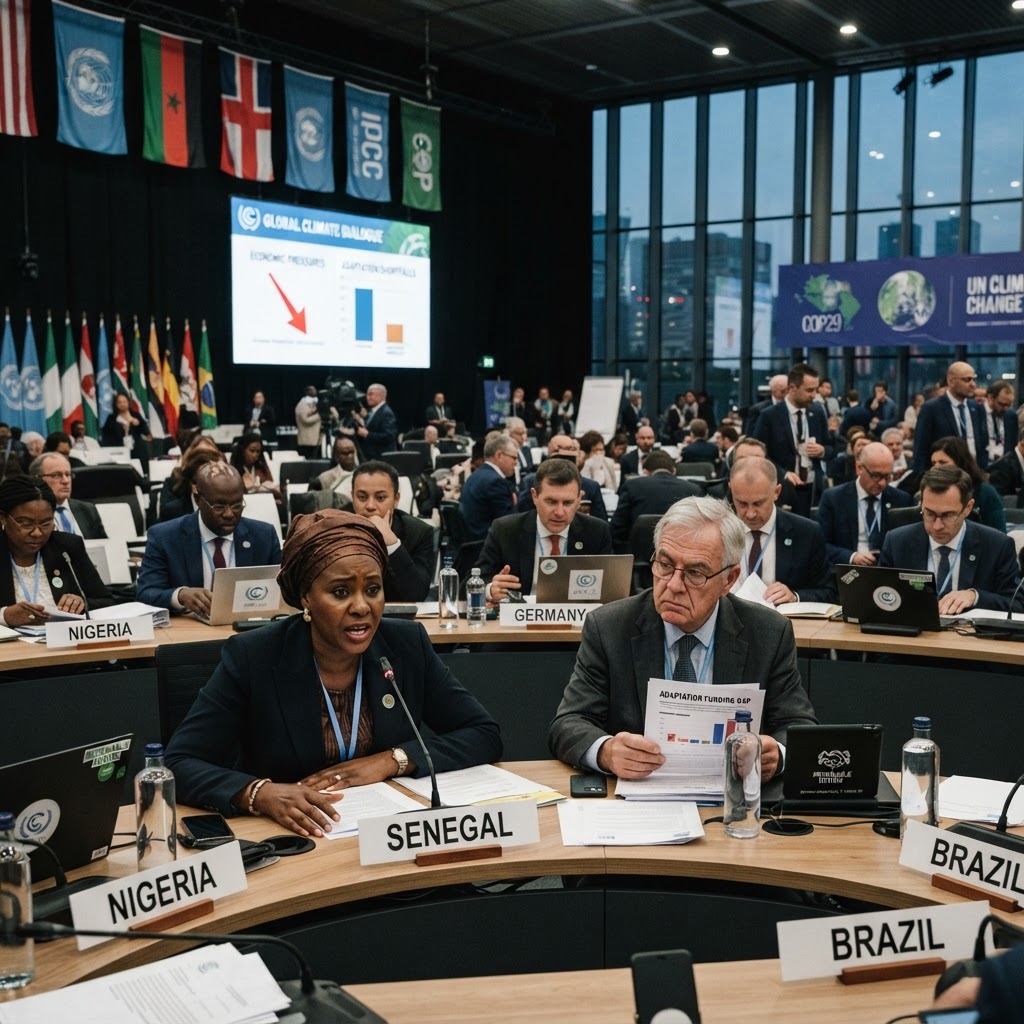
Global Climate Diplomacy Confronts Economic Pressures, Adaptation Shortfalls, and Technological Dilemmas
As negotiators assemble in Antalya for COP31 amidst warnings that global warming will overshoot vital thresholds, international environmental policy faces severe tests ranging from national vehicle policy rollbacks to the ecological burdens of the artificial intelligence boom.
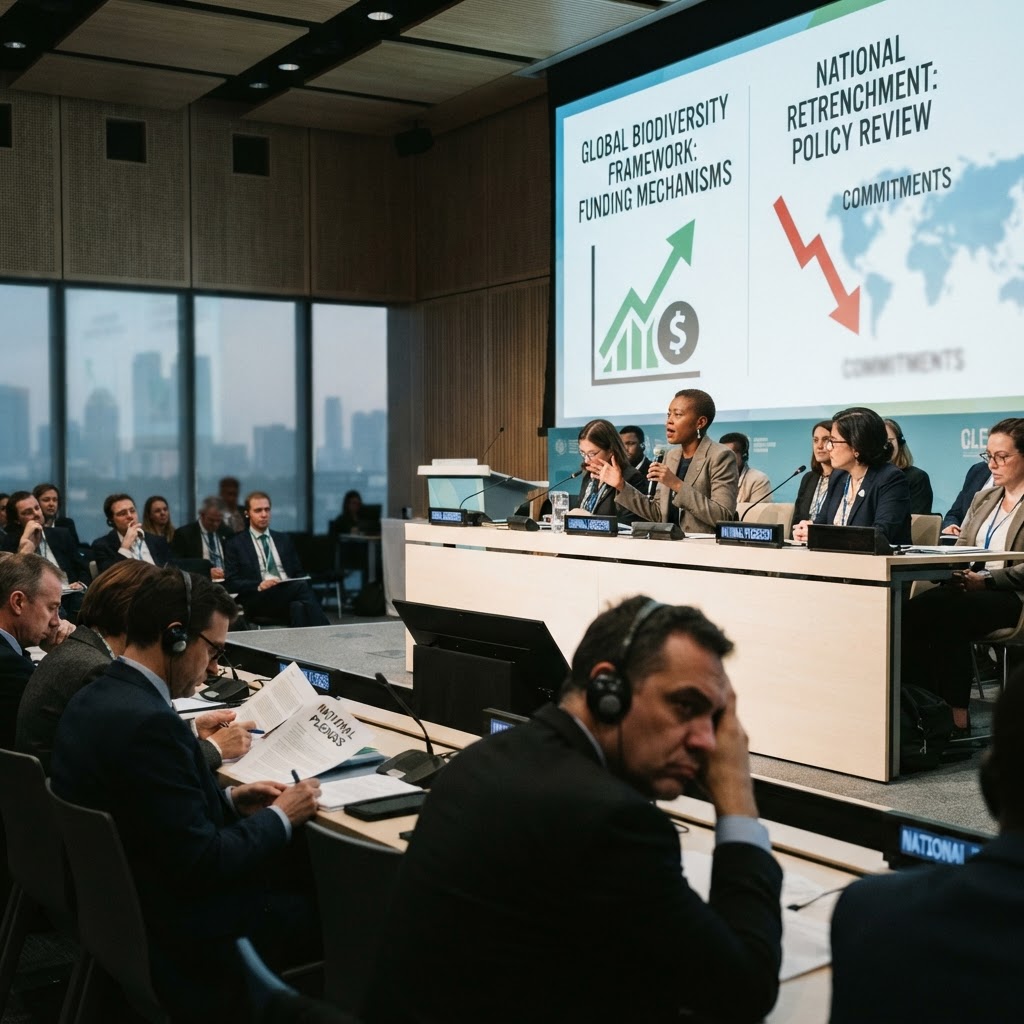
Global Biodiversity and Climate Policy at a Crossroads: Breakthroughs in Finance Clash with National Retrenchment
As international delegates mobilize landmark conservation capital and demand robust nature protections, widening regulatory rollbacks and legislative friction across major economies threaten the coherence of global environmental governance.
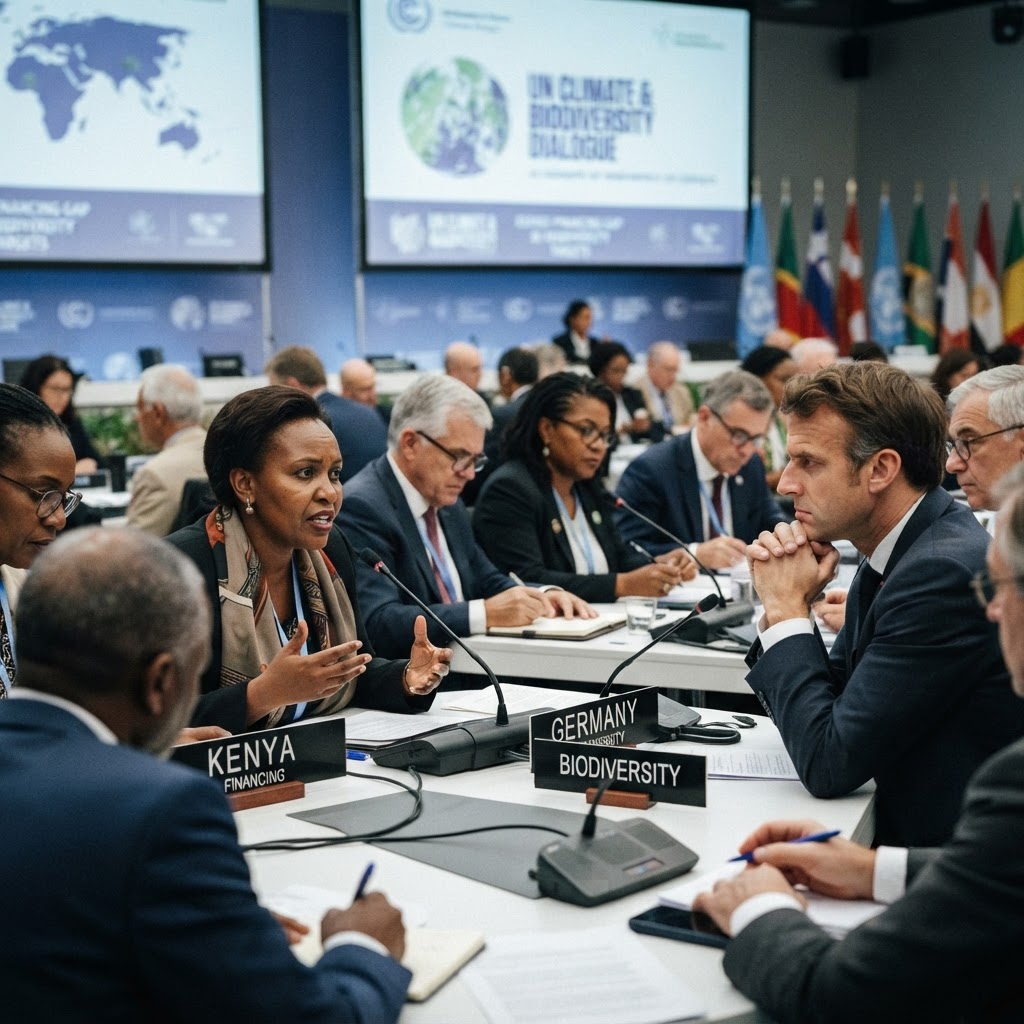
Bridging the Ecological Divide: Global Climate Diplomacy Faces Deepening Strife Over Financing and Biodiversity Loss
As environmental crises escalate worldwide, international negotiations are reaching a critical impasse over funding commitments and equitable pathways toward sustainability.